
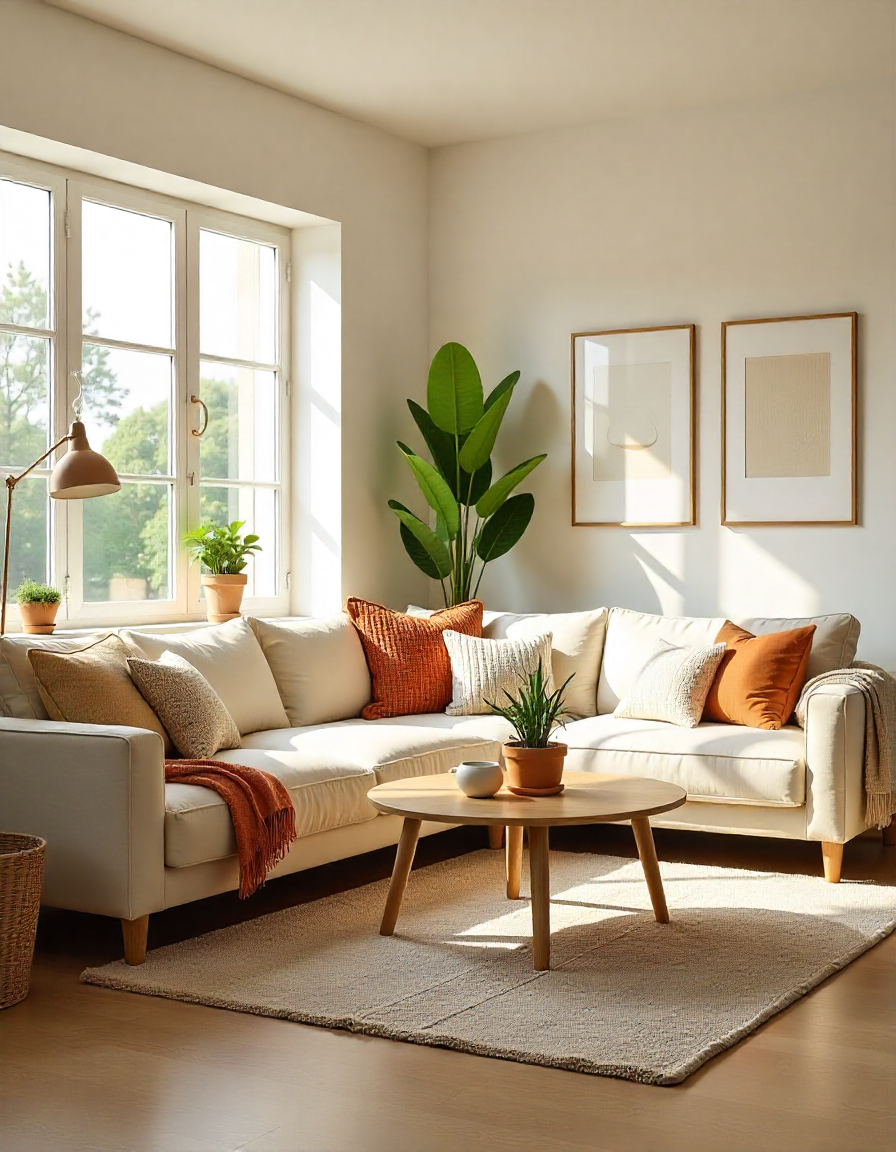
A home is far more than walls, floors, and furniture. It is a reflection of personality, mood, and lifestyle. When thoughtfully designed, a living space offers not only beauty but also comfort, balance, and function. While interior design trends shift from season to season, the essence of home décor remains timeless: creating environments where people feel relaxed, inspired, and genuinely themselves.
This article explores the principles, styles, and strategies that help transform ordinary rooms into inviting sanctuaries, along with practical tips for anyone looking to refresh their surroundings without losing authenticity.
Why Home Décor Matters
The spaces we inhabit influence our well-being more than we realize. Studies have shown that light, color, and arrangement can affect mood, productivity, and even health. A cluttered environment may induce stress, while a calm, organized room encourages focus and relaxation.
In a world where many spend long hours indoors—whether working from home, entertaining guests, or seeking rest after busy days—home décor is no longer just an indulgence. It is an essential part of creating balance between outer surroundings and inner peace.
The Foundations of Good Home Décor
1. Balance and Harmony
Every room should feel cohesive, even when mixing styles. A balance of color, proportion, and placement keeps the eye moving comfortably without feeling overwhelmed. Harmony doesn’t mean everything must match; it means elements should complement each other.
2. Functionality
A beautifully styled room loses its charm if it doesn’t serve its purpose. A living room must encourage conversation, a kitchen must flow efficiently, and a bedroom should invite rest. Practical design makes spaces both appealing and useful.
3. Personal Expression
Trends are exciting, but a home truly shines when it reflects its owner. Incorporating personal touches—family photos, handmade crafts, favorite colors—ensures the space feels unique rather than staged.
Popular Décor Styles and Their Appeal
There is no one-size-fits-all approach to interior design. Different styles offer distinct moods, and the best choice depends on individual taste and lifestyle.
Minimalist
Minimalism emphasizes simplicity, neutral tones, and clutter-free environments. Clean lines and open spaces create a calming atmosphere, perfect for those who value order and tranquility.
Scandinavian
Originating in Northern Europe, this style combines functionality with warmth. White walls, wooden accents, and soft textiles create airy yet cozy interiors that invite relaxation without excess.
Bohemian
Boho décor embraces bold colors, layered textiles, and eclectic furniture. It celebrates individuality and often includes vintage finds, handcrafted décor, and plants, making the space vibrant and full of character.
Industrial
This style draws inspiration from converted warehouses and urban lofts. Exposed brick, raw wood, and metal details bring a rugged charm, while oversized furniture adds strength and presence.
Modern Farmhouse
Blending rustic and contemporary, the modern farmhouse trend favors reclaimed wood, neutral palettes, and cozy textures. It strikes a balance between old-world charm and today’s practical living.
Colors and Their Emotional Impact
Color is one of the most powerful tools in home décor. It sets the tone for how a room feels.
-
Neutrals (beige, ivory, grey): Offer calmness and versatility, creating a backdrop that works with almost anything.
-
Blues: Known for their soothing qualities, they are excellent for bedrooms and bathrooms.
-
Greens: Symbolize renewal and nature, bringing freshness indoors.
-
Yellows and Oranges: Cheerful and energizing, best suited for kitchens or social spaces.
-
Dark Shades: Deep tones like navy or charcoal add sophistication and drama when balanced with light accents.
Lighting: The Unsung Hero of Home Décor
Lighting has the power to make or break a space. Natural light is always ideal, but thoughtful artificial lighting can enhance any room.
-
Ambient Lighting: Provides overall illumination. Ceiling lights and chandeliers fall under this category.
-
Task Lighting: Focused lights, like desk lamps or under-cabinet strips, designed for specific activities.
-
Accent Lighting: Highlights artwork, architectural features, or decorative pieces.
Layering these three types creates depth and warmth, ensuring a room feels inviting at all hours.
The Role of Textures and Materials
Texture adds dimension and prevents rooms from looking flat. Imagine a living room with only sleek surfaces—it might feel cold. Add a knitted throw, a plush rug, and a wooden coffee table, and suddenly the space becomes warm and welcoming.
Mixing materials—such as glass with metal, wood with linen—creates balance and visual interest. Soft textiles paired with solid furniture achieve harmony between comfort and durability.
Décor on a Budget: Creativity Over Cost
Beautiful design does not always require extravagant spending. With creativity and resourcefulness, anyone can refresh a space affordably.
-
Thrift Finds: Vintage shops and flea markets often carry unique pieces at low prices.
-
DIY Projects: Handmade shelves, painted furniture, or personalized wall art can add character.
-
Rearrangement: Sometimes the simplest solution is moving furniture for better flow.
-
Plants: Greenery instantly livens up any room, and many indoor plants require little maintenance.
Sustainability in Home Décor
With growing awareness about the environment, sustainable décor is gaining importance. This includes using recycled materials, eco-friendly paints, and responsibly sourced furniture. Beyond environmental benefits, sustainability often brings authenticity—items with history, craftsmanship, and meaning.
Choosing quality over quantity also matters. A well-made sofa may cost more initially but will last years longer than cheaper alternatives, reducing waste in the long run.
Room-by-Room Tips
Living Room
-
Anchor the space with a rug large enough to connect main seating pieces.
-
Use layered lighting for both relaxation and entertainment.
-
Add conversation pieces like a unique coffee table or artwork.
Bedroom
-
Choose calming colors and soft bedding for better sleep.
-
Keep clutter away from nightstands to create a peaceful vibe.
-
Use blackout curtains if natural light disrupts rest.
Kitchen
-
Organize with open shelving or glass cabinets for both function and style.
-
Introduce warmth with wooden cutting boards or copper accents.
-
Use lighting under cabinets to brighten work areas.
Bathroom
-
Mirrors enhance light and create the illusion of more space.
-
Scented candles or diffusers turn daily routines into spa-like experiences.
-
Small baskets help organize toiletries while maintaining style.
Home Office
-
Position desks near windows for natural light.
-
Add ergonomic chairs to blend comfort with function.
-
Personalize with inspiring décor that boosts creativity.
Final Thoughts
Home décor is not about blindly following trends; it’s about creating an environment that supports comfort, function, and self-expression. Whether it’s the calm of a minimalist room, the energy of bohemian textures, or the rustic warmth of a farmhouse design, the best spaces always tell a story—the story of those who live there.
A thoughtfully decorated home can become a true sanctuary, a place where life feels balanced and meaningful. By focusing on harmony, authenticity, and practicality, anyone can transform their surroundings into spaces that inspire joy every day.