
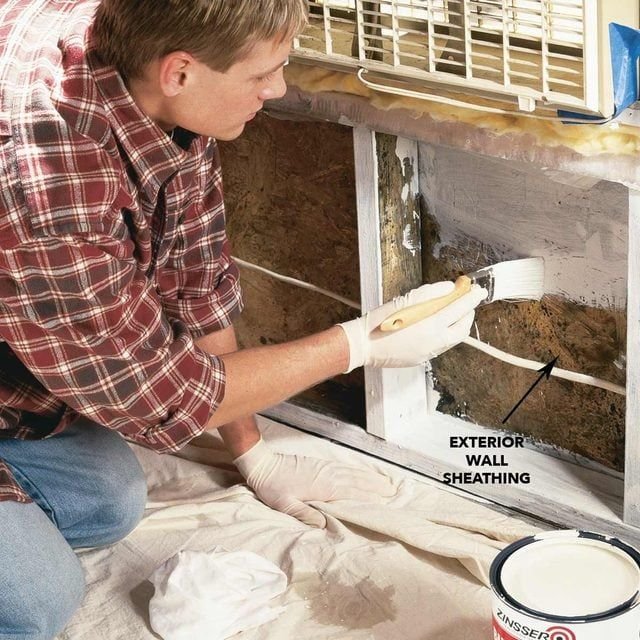
The charming state of Maine, with its stunning natural beauty and quaint architecture, has a climate that is just as unique as its scenery. However, that very climate can become a magnet for mold growth. Whether it’s the humid air of summer or the heavy rainfalls and snowmelt, these conditions create the perfect environment for mold to take hold.
Mold isn’t merely a cosmetic issue—it’s a health hazard and a threat to your property’s value. This guide explores everything you need to know about Maine mold removal, including causes, detection, prevention, and when to call in professional help.
Why Mold Becomes a Problem in Maine
Maine’s climate plays a significant role in increasing the risk of mold. The mix of freezing winters, damp springs, and humid summers makes keeping your home moisture-free a challenge.
Maine’s Weather and Mold Growth
Mold thrives in damp and poorly ventilated areas, and Maine’s weather provides plenty of opportunities for moisture to linger in houses. Heavy snowfall that melts into water, coupled with humid summer days, can cause moisture to seep into walls, attics, or crawl spaces.
Many homes in Maine have basements, which are especially susceptible to mold due to lower ventilation and increased humidity. Without attention, these conditions can quickly escalate into extensive mold infestations.
Aging Housing Stock Adds Challenges
Maine boasts numerous historic homes and charming cottages, many of which use older wood and building materials. While these structures add character, they can also trap moisture more easily than modern builds. Older insulation and outdated ventilation systems further exacerbate the problem, leaving hidden corners vulnerable to mold.
Identifying the Early Signs of Mold
The key to keeping your home safe is identifying mold early. Mold can often hide in plain sight, growing behind walls, beneath flooring, or inside air ducts, making thorough detection essential.
Physical Warning Signs
Mold often reveals itself through visible dark spots on walls, ceilings, or tile grout, which may look gray, green, or black depending on the strain. You might also notice fuzzy or textured patches in overly damp areas, such as bathrooms or basements.
Musty and earthy odors are another hallmark of mold presence. Even if you can’t see the infestation, these persistent smells are a strong indication that mold is growing somewhere nearby, often in hidden areas.
The Health Indicators
Mold exposure can cause various health problems, particularly for individuals with asthma, allergies, or weakened immune systems. Symptoms like nasal congestion, coughing, itchy eyes, or skin rashes are common among those affected by mold spores.
If you or your family experience persistent respiratory issues indoors that improve when you leave the house, it may be time to investigate potential mold contamination.
DIY Mold Removal: What You Need to Know
While some homeowners feel tempted to tackle mold issues themselves, there are limitations to DIY efforts. Small mold patches can often be handled with proper cleaning supplies, but larger infestations require expert intervention.
Handling Small-Scale Mold
Minor mold growths, like mildew on bathroom tiles, can usually be removed using store-bought cleaning agents or natural remedies such as vinegar and baking soda. The key is to scrub the infected area thoroughly and dry it completely afterward.
However, even small infestations demand caution. Always wear gloves, goggles, and a mask to protect yourself from mold spores, and avoid using bleach on porous surfaces, as it may worsen the problem by releasing harmful fumes.
When to Call the Professionals
If mold covers more than 10 square feet, grows in a hidden or unreachable area, or stems from a significant water leak, it’s time to bring in the experts. Professional mold removal services use specialized tools like infrared cameras and high-efficiency vacuums to detect and eliminate infestations without spreading spores to other parts of your home.
Professional remediation also ensures the root cause—be it a structural leak or high humidity—is addressed to prevent future recurrences.
Preventing Mold in Maine
The best way to manage mold is to stop it before it starts. With the right preventative strategies, you can greatly reduce the likelihood of mold taking hold in your Maine home.
Manage Moisture and Humidity
The fight against mold begins with controlling indoor moisture levels. Investing in a dehumidifier can drastically improve air quality, especially in basements and other damp-prone areas. Aim to keep humidity levels below 50%, even during Maine’s sultry summer months.
Regularly inspect vulnerable areas like roofs, gutters, and plumbing for leaks. Promptly repairing any damage will minimize the chance of water pooling and creating an environment where mold can flourish.
Prioritize Ventilation
Good ventilation goes hand-in-hand with moisture control. Ensure that areas like bathrooms, kitchens, and laundry rooms are equipped with exhaust fans that direct moisture-filled air outdoors. For older homes, consider upgrading insulation and installing vents in areas where air circulation is limited.
Even small actions, such as opening windows or using portable fans, can make a big difference. Allowing fresh air to circulate helps reduce the chances of condensation buildup—one of mold’s primary allies.
Why Professional Mold Services Are a Must
While preventative measures and DIY cleanups address smaller concerns, large-scale mold problems require professional solutions to ensure complete removal and long-term protection.
Professional mold removal services—like Maine mold removal specialists—use advanced detection and treatment techniques to eliminate infestations safely and effectively. Their expertise goes beyond cleaning; they will identify the underlying causes of mold growth, such as hidden leaks or structural vulnerabilities, and provide recommendations to prevent reoccurrence.
By opting for professional help, you not only save time and effort but ensure comprehensive mold remediation that restores your home to its clean, healthy state.
Mold-Free Living in the Pine Tree State
Mold is a persistent concern for Maine residents, but with vigilance and the right approach, you can keep it from becoming more than a temporary inconvenience. Managing moisture, upgrading ventilation, and addressing warning signs early are critical methods for maintaining a healthy home environment.
When a mold problem grows beyond your control, however, don’t hesitate to call in professionals who specialize in Maine mold removal. Combining expert remediation with proactive prevention is the best strategy to protect your family’s health and your property’s value.
Your home should be a haven—not a host for mold. With the strategies outlined above, you can safeguard your space and enjoy the beauty of Maine worry-free.