
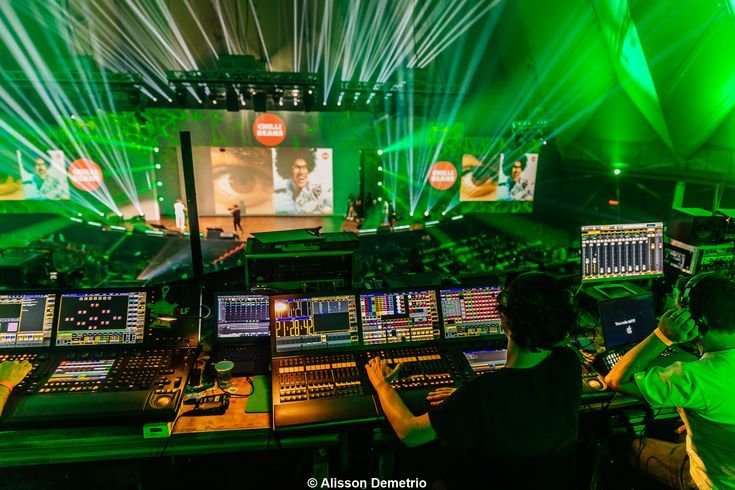
Live performances by celebrities are nothing short of mesmerizing. From crystal-clear vocals to immersive soundscapes, the experience is meticulously crafted—and at the core of it lies advanced audio equipment. Celebrities rely on cutting-edge audio gear to deliver flawless live shows, and behind the scenes, an army of tools ensures every sound reaches perfection. This article explores the key types of audio gear musicians depend on during tours and the latest advancements that elevate these performances.
The Backbone of Live Performance Audio
Live tours depend heavily on reliable, high-performance audio equipment to both meet performers’ needs and captivate audiences. Key equipment categories include microphones, in-ear monitors, and front-of-house sound systems. Each plays a distinct role in creating the magic fans experience in large arenas or intimate venues.
1. Microphones
A singer’s microphone is the gateway between their voice and the audience. The evolution of microphone technology has given performers the tools to refine their vocal clarity and projection.
Wireless Microphones Take Center Stage
Wired microphones, while reliable, can be limiting for artists who want freedom to move. Today’s celebrities mostly use wireless microphones, offering mobility without compromising sound quality. Brands like Shure and Sennheiser dominate this space, with products offering features such as:
- Frequency agility: These microphones operate across multiple frequency bands, ensuring interference-free performance.
- Digital signal processing (DSP): DSP improves vocal clarity by reducing noise and feedback in real time.
Tailored Microphone Elements
Modern professional-grade microphones can be customized with swappable elements that adjust sound sensitivity or tailor frequency responses depending on whether the performance is rock, pop, or jazz. For instance, Shure’s Axient Digital wireless system allows such flexibility, making it a staple for touring artists.
2. The Role of In-Ear Monitors
Gone are the days when bulky floor monitors (wedges) dominated the stage. Celebrities now rely on in-ear monitors (IEMs) to hear their vocals, instruments, and backing tracks with near-perfect clarity.
How IEMs Work
Built like earphones but with much greater capabilities, IEMs deliver a custom mix of the performer’s audio feed. This ensures they can hear themselves even in the middle of a raucous stadium. Features that make IEMs indispensable include:
- Custom molds for perfect fit and noise isolation.
- Multi-driver technology providing rich detail across low, mid, and high frequencies.
- Individual audio mixes for performers, tailored to their needs by audio engineers.
Ultimate Ears and Westone Audio lead this niche, crafting premium IEMs often imprinted with musicians’ names or logos for a personal touch.
Advances in IEM Technology
Recent innovations have further enhanced IEM capabilities. For instance, real-time ambient control allows performers to control how much of the surrounding environment they hear. Some models even integrate wireless controls so engineers can adjust audio feedback remotely.
3. Sound Systems for Large-Scale Performances
The coordination and complexity of sound systems used in tours is akin to a finely tuned orchestra. These systems capture sound from microphones, mix it, and amplify it for an audience of thousands.
Line Array Speakers for Even Coverage
Modern concerts use line array speakers, a series of vertically stacked speakers that deliver uniform sound distribution. This prevents the sound from being too loud for first-row attendees while ensuring crystal-clear acoustics at the back.
- L-Acoustics and Meyer Sound are industry leaders, offering efficient systems that maintain audio clarity across diverse venues.
- Integration with real-time calibration tools adjusts the speaker output based on the size and acoustics of each location.
Subwoofers that Bring the Bass
For bass-heavy performances, subwoofers play a crucial role. Artists rely on precision-engineered low-frequency sound to immerse the audience during live shows. Modern subwoofers have moved toward lightweight, compact designs that balance portability with premium sound performance without losing impact.
4. Digital Mixing Consoles
Behind every stellar live performance is a skilled audio engineering team supported by high-tech mixing consoles. These devices control every aspect of sound, from vocals and instruments to effects and audience ambiance.
Features of Modern Mixing Consoles
- Broad Input Capabilities:
Consoles now handle dozens of input sources simultaneously, allowing seamless management of complex performances.
- Integrated Effects:
Real-time reverb, delay, and EQ adjustments customize live sound without external processors.
- Remote Control Options:
Engineers can now use Wi-Fi-enabled panels or mobile devices to fine-tune sound from anywhere within the venue.
Brands such as Yamaha, Allen & Heath, and Avid have revolutionized live mixing consoles by prioritizing speed, precision, and user-friendly functionality.
The Importance of Monitoring and Backups
Touring poses unique challenges, with outdoor weather conditions, frequent travel, and unpredictable power sources. Celebrities and their teams prepare for this by employing backup systems and enhanced monitoring gear.
- Redundant Systems:
For critical equipment like wireless microphones and mixing consoles, having backups ensures there’s no disruption in case of failure.
- Live Monitoring Systems:
Audio engineers rely on computer-assisted monitoring tools to diagnose signal path issues in real time.
Emerging Trends in Tour Audio Gear
The live audio landscape continues to evolve, with new trends reshaping how celebrities deliver their best performances.
Smart Connectivity and IoT
Modern audio systems are increasingly implementing Internet of Things (IoT) capabilities. For instance, microphones and monitors now communicate with central control units to self-diagnose issues like low battery or interference.
Sustainability in Equipment Design
Growing environmental awareness has pushed vendors to create lightweight, energy-efficient, and eco-friendly equipment. Batteries on wireless gear are now long-lasting and fully rechargeable, reducing disposables on tour.
3D Audio Integration
Three-dimensional audio enhances sound by placing it spatially, offering concertgoers an immersive experience. Technologies like Dolby Atmos are beginning to make an impact on live shows, with artists creating layered soundscapes to envelop the audience.
Virtual Sound Checks
Using pre-recorded performance data, engineers can now conduct virtual sound checks, ensuring perfect balance before the artist arrives at the venue.
Final Thoughts
The seamless audio experiences delivered during celebrity tours are the result of intricate planning, innovative gear, and skilled professionals. From wireless microphones and custom in-ear monitors to precision sound systems and IoT-based advancements, the combination creates the electric connection between artists and their fans.
For followers of live music, knowing the story behind the setup deepens appreciation for the outstanding technology and talent involved. With ongoing advancements, the future of live performances promises even greater auditory experiences, making every concert more immersive and unforgettable than the last.