
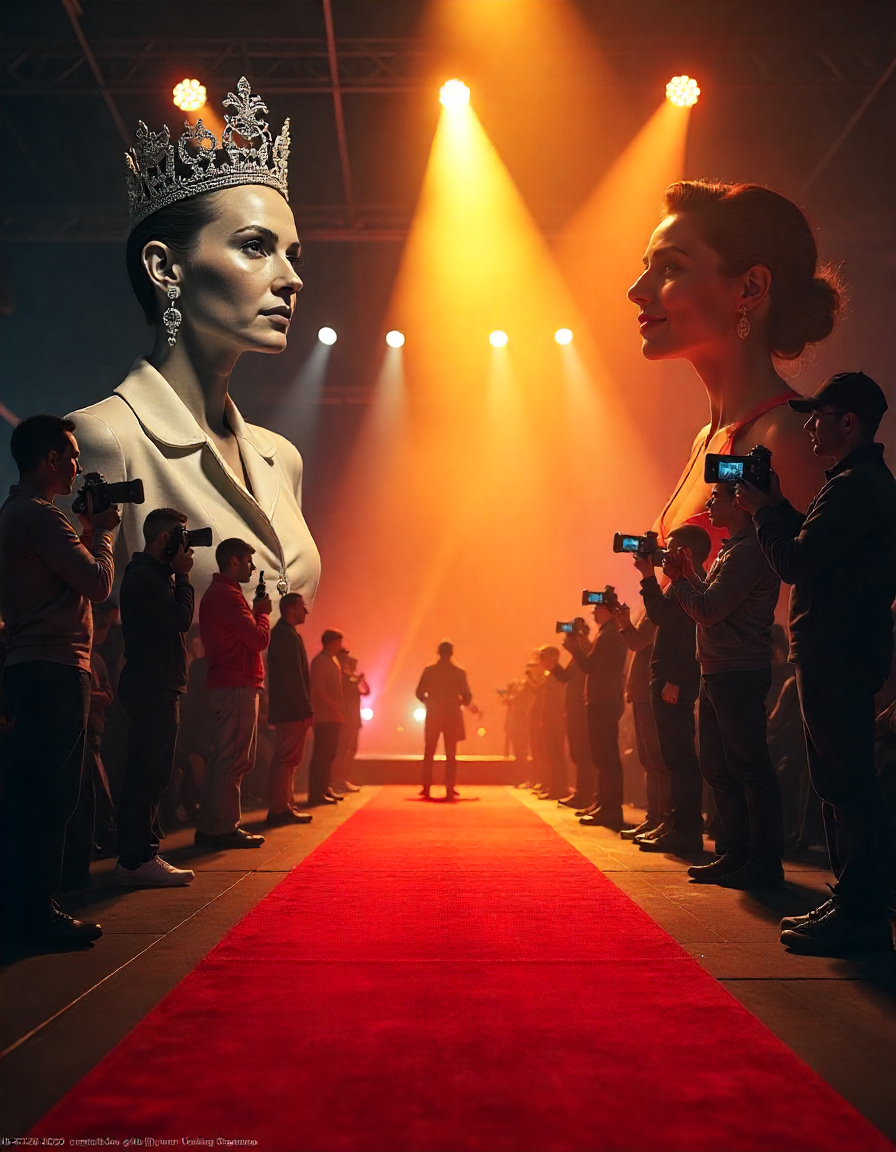
In every era, society has placed certain individuals on a pedestal. These people, through their talent, charisma, or sometimes sheer visibility, capture public imagination and become household names. Celebrities have always fascinated us, not just because of their professional achievements, but also because of their lifestyles, personalities, and the way they seem to reflect or challenge cultural values. Yet, the definition of a celebrity today is not what it was twenty or even ten years ago. With the rise of social media, global streaming platforms, and changing audience behavior, the dynamics of stardom have undergone a remarkable transformation.
This article explores the journey of celebrity culture—from traditional Hollywood icons to TikTok influencers—while also shedding light on why fame matters, how it impacts society, and the unique pressures faced by those who live in the public eye.
The Golden Age of Stardom
When we think of classic celebrities, names like Marilyn Monroe, James Dean, or Audrey Hepburn often come to mind. These figures weren’t just entertainers; they were symbols of glamour, rebellion, and elegance. In the mid-20th century, Hollywood controlled the narrative around its stars. Studios carefully managed their images, controlling press coverage, film roles, and even aspects of their personal lives.
At that time, fame was more exclusive. An actor or singer would often spend years honing their craft before reaching the spotlight. The mystique surrounding them added to the allure. Fans consumed limited interviews, photographs, or magazine features, which created a sense of distance that only heightened admiration.
Fame in the Age of Television and Music
By the 1980s and 1990s, celebrity culture expanded beyond film. Music icons such as Michael Jackson, Madonna, and Whitney Houston dominated not only the charts but also global headlines. Television also began to play a larger role in shaping stars. Sitcoms, soap operas, and talk shows turned actors into everyday names, while sports figures like Michael Jordan transcended their fields to become cultural icons.
In this period, fame was closely tied to mass media. Magazine covers, televised award shows, and blockbuster premieres were the main channels through which celebrities connected with the public. Although paparazzi culture grew invasive, celebrities still maintained a layer of mystery that kept audiences intrigued.
The Internet Era and the Rise of Social Media Stars
The 2000s introduced a turning point. With the expansion of the internet, fame became less centralized. Platforms like YouTube allowed ordinary individuals to showcase talents directly to a global audience. Suddenly, you didn’t need a studio contract or a record label to gain attention. Justin Bieber, for example, was discovered on YouTube before becoming a global pop sensation.
Social media platforms like Instagram, Twitter, and later TikTok accelerated this democratization of fame. The definition of a celebrity broadened to include influencers, gamers, and even lifestyle bloggers. Millions of people could now follow their favorite personalities directly, seeing daily updates, behind-the-scenes content, and unfiltered opinions.
Unlike the distant stars of the past, today’s celebrities often cultivate relatability. Sharing personal struggles, casual moments, or unpolished glimpses makes fans feel like they truly “know” them. This shift has not only changed the fan-celebrity relationship but also how stars build their careers.
The Power of Influence
Modern celebrities are more than entertainers—they are powerful influencers. Their endorsement can make a product sell out overnight. A single Instagram story, TikTok clip, or YouTube review can reach millions in hours. Brands understand this, which is why influencer marketing has become a billion-dollar industry.
Yet influence goes beyond consumer trends. Celebrities today also shape conversations around politics, social justice, and global issues. From Leonardo DiCaprio’s environmental activism to Rihanna’s philanthropic efforts, public figures often use their platforms to highlight causes they believe in. For many fans, celebrities serve not only as entertainers but also as voices of advocacy and change.
The Challenges of Public Life
While fame brings wealth and admiration, it also carries immense pressure. Celebrities live under constant scrutiny, with every action, relationship, or misstep magnified by tabloids and online commentary. The internet, while a tool for building careers, has also made criticism instantaneous and often harsh.
Mental health struggles among celebrities are increasingly discussed in public. Many have opened up about anxiety, depression, or the toll of constant visibility. Britney Spears’ conservatorship battle, for example, sparked global debates about autonomy, fame, and exploitation in the entertainment industry.
Privacy is another rare commodity for celebrities. Paparazzi culture remains relentless, and with smartphones in every pocket, even private outings can quickly turn into viral moments. Maintaining boundaries between personal life and public persona is one of the greatest challenges for modern stars.
Globalization of Stardom
In today’s interconnected world, celebrities aren’t confined to national borders. Thanks to streaming platforms and global social media, artists from different regions can become international sensations. Korean pop groups like BTS, for example, enjoy massive followings across continents, while Spanish-language singers like Bad Bunny dominate global charts.
This globalization has also brought diversity to the forefront. Audiences are increasingly embracing talents from varied cultural backgrounds, which broadens representation in the entertainment industry. A Bollywood actor can become a global star just as easily as a Hollywood actor, shifting the balance of what it means to be “world famous.”
The Future of Celebrity Culture
Where is celebrity culture heading next? Some trends suggest a deeper blurring of lines between creators and fans. With platforms like Patreon or subscription-based services, celebrities can build more intimate communities where fans feel directly involved in their journey. Virtual reality and the metaverse may also create new forms of stardom, where digital avatars become as influential as real-life actors.
At the same time, audiences are becoming more discerning. Authenticity is increasingly valued over polish. Viewers gravitate toward stars who seem real and approachable, not untouchable. This may lead to a more sustainable form of fame, where long-term connection matters more than short bursts of viral attention.
Conclusion
The fascination with celebrities has always been about more than talent—it’s about the way they embody our aspirations, dreams, and sometimes our struggles. From the glamour of old Hollywood to the relatability of modern influencers, the journey of stardom reflects broader cultural shifts.
Today’s celebrities are not just entertainers; they are influencers, advocates, and sometimes even entrepreneurs. While fame brings challenges, it also creates opportunities for meaningful impact. As the landscape continues to evolve, one thing remains clear: society will always look to certain individuals as symbols of culture, creativity, and inspiration.